Compassionate LGBT Mental Health Services: Aiding Your Journey to Well-Being
Compassionate LGBT counselling programs serve as a fundamental role in advancing psychological wellbeing and growth within the collective. These counselling programs forge a safe space for people to explore their sense of identity and address cultural pressures. By incorporating customized therapeutic strategies, clients can cultivate strength and self-acceptance. Grasping the influence of these support services leads to important questions about their success rate and the transformative possibilities they can offer. What shifts might come for those who seek this support?
Why LGBTQ Counselling Matters
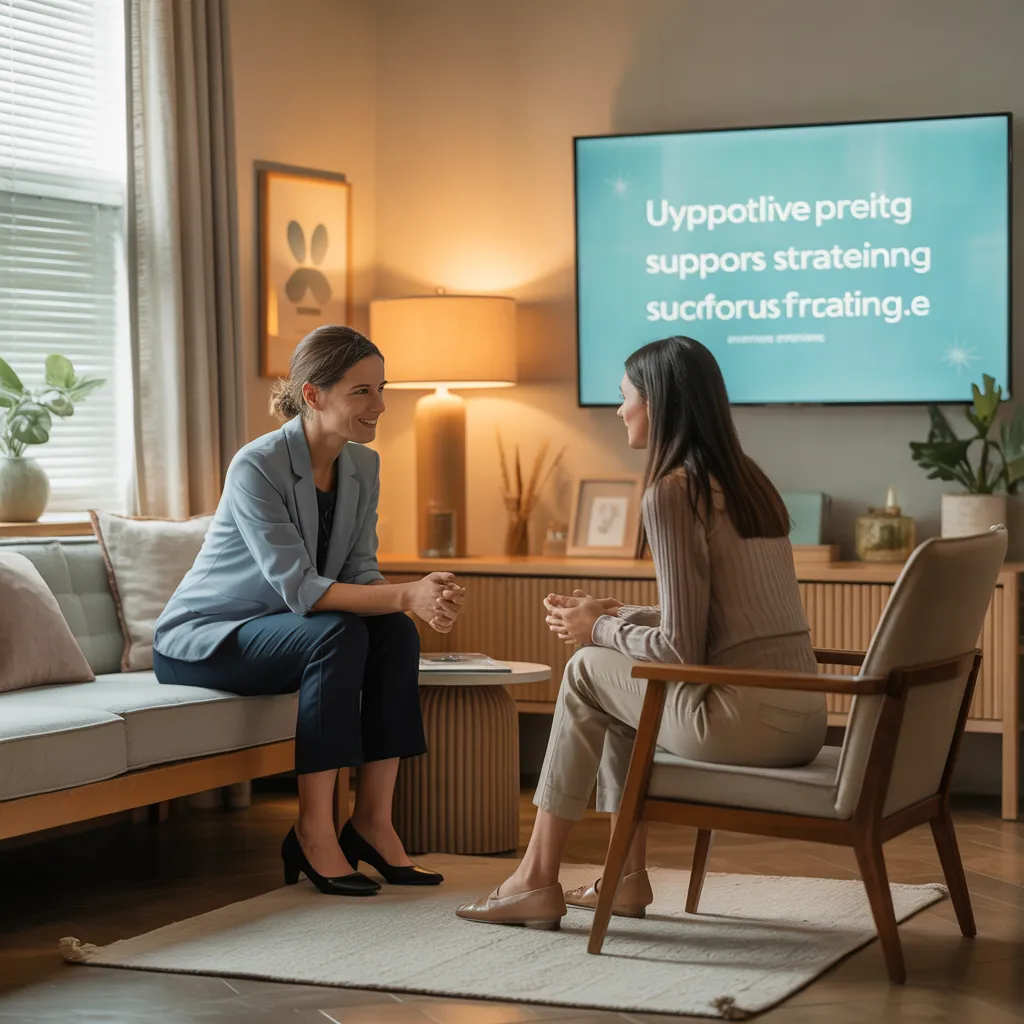
LGBT counselling constitutes an indispensable mechanism in addressing the unique hurdles faced by individuals within the community. It provides a safe and validating venue where clients can investigate their identities, emotions, and experiences without dread of judgment. These supports are designed to recognize diverse sexual preferences and gender expressions, fostering a feeling of belonging and recognition.
Counsellors educated on LGBT matters utilize culturally competent approaches to better understand the nuances of clients' experiences. This specialized method not only promotes psychological wellbeing but also enables individuals to navigate societal pressures, interpersonal relationships, and individual development.
In addition, LGBT counselling can help develop coping strategies for depression, anxiety, and stress, which may stem from discrimination and social isolation. By placing focus on psychological health, these services serve as a crucial factor in boosting the total well-being for LGBTQ+ individuals, promoting resilience and self-acceptance.
Hurdles Affecting the LGBT Community
While progress has been made in numerous sectors, the LGBT community still faces considerable challenges. Bias persists pervasive, affecting multiple aspects of life, encompassing employment, healthcare, and housing. Numerous individuals experience stigma and prejudice, which causes increased mental health concerns. Additionally, the absence of thorough legal safeguards in certain regions worsens these concerns, making members of the community vulnerable to harassment and violence.
Mental health problems are especially notable, as individuals often contend with internalized homophobia and societal rejection. Social isolation can intensify these issues, as supportive networks may be scarce or non-existent. Moreover, access to culturally competent healthcare providers is regularly deficient, leaving many without essential aid.
Overcoming these barriers requires strong determination and support, highlighting the need for greater consciousness and focused strategies to foster acceptance and inclusivity. Addressing these obstacles is vital for the overall well-being of the LGBT community.
Find Out What Your Counselling Session Will Comprise?
During an LGBT counselling session, the opening evaluation procedure is crucial for comprehending the client's unique needs and backgrounds. This foundational stage sets the stage for the treatment methods that will be utilized throughout the process. Clients can anticipate a customized approach that emphasizes their individual situations and goals.
Starting Assessment Procedure
The preliminary evaluation framework functions as a vital cornerstone for productive therapeutic sessions. Throughout this period, clients are welcomed to express their circumstances, anxieties, and ambitions in a caring, secure space. The practitioner executes a detailed examination, assembling crucial information regarding the client's background, psychological past, and ongoing struggles. This interaction endeavors to cultivate trust and rapport, allowing clients to perceive they are understood and respected. Furthermore, the counsellor may address the client's objectives and hoped-for outcomes from the counselling journey. By establishing a solid understanding of the client's needs, the preliminary assessment lays the groundwork for personalized care and productive intervention, assuring that clients feel supported and capable on their passage toward wellness.
Therapeutic Methods Deployed
Counselling sessions blend a mix of therapeutic techniques fitted to meet each patient's unique needs. Methods such as cognitive-behavioral therapy help clients challenge and reconsider unproductive thinking, fostering healthier perspectives. Narrative-focused practice invites individuals to uncover and reshape their personal stories, enhancing identity formation and empowerment. Additionally, mindfulness-centered methods facilitate emotional balance and present-moment awareness, assisting clients in managing unease and hardship. Supportive techniques, incorporating active listening and compassion, create a nurturing space for open dialogue. Group therapy may also be activated, developing togetherness and common bonds among clients. Each technique is carefully selected to address specific challenges faced by LGBT individuals, ensuring a thorough and sympathetic approach to their mental health and health.
How LGBT Counselling Addresses Frequent Difficulties
While navigating a world often fraught with discrimination and misunderstanding, many individuals within the LGBT community face distinct emotional and psychological challenges. LGBT counselling tackles these issues by providing a safe, affirming space where clients can share their feelings without fear of judgment. Counselors are trained to understand the complexities of identity, including coming out, relationship dynamics, and societal pressures.
Using individualized therapeutic approaches, including CBT and narrative-based therapy, clients explore their cognitions and experiences, fostering resilience and self-acceptance. The concentration on personal power helps individuals navigate internalized shame and external biases, fostering more adaptive psychological strategies.
Furthermore, LGBT counselling often incorporates conversations around intersectionality, acknowledging how various identities intersect, impacting psychological well-being. By tackling these common issues, counselling supports clients in developing a more robust sense of self and belonging, ultimately facilitating their path toward well-being and fulfillment.
Finding the Right LGBT Therapist for You
Steering the journey toward mental health often involves finding the appropriate support. For individuals within the LGBT community, selecting a counsellor who comprehends their distinct experiences and difficulties is crucial. Key factors include the counsellor's credentials, experience, and familiarity with LGBT issues.
Prospective clients should find professionals who have a experience in gender and sexual diversity, ensuring they can manage difficult emotions and societal pressures effectively. Recommendations from others, online reviews, and professional directories can be valuable resources in this hunt.
Additionally, a(n) opening consultation may help in gauging compatibility; it offers an chance to assess the counsellor’s approach and communication style. Feeling safe and understood is key, so clients should follow their instincts about the connection formed. Ultimately, the right LGBT counsellor can greatly boost the therapeutic experience, fostering growth and resilience on the path to well-being.
Success Stories: Powerful Outcomes of LGBT Support
LGBT therapy has served as a catalyst for self-development, allowing individuals to explore and accept their identities. Many have communicated experiences of overcoming significant hurdles and discovering a sense of community within caring groups. These tales of triumph demonstrate the profound impact counselling can have on the lives of LGBTQ+ individuals.
Personal Evolution Adventures
Counselling can work as a strong driver for individual growth, especially in the LGBT community, where individuals often manage unique hurdles. Many clients report notable improvements after undertaking counselling support. For instance, one individual gathered the strength to embrace fully their identity, causing enhanced confidence and healthier bonds. Another client developed the ability to establish boundaries, building essential competencies for private and career domains. These journeys demonstrate the impact of personalized counselling approaches, emphasizing compassion and respect. By communicating understanding and knowledge, individuals not only cultivate resilience but also encourage those facing similar struggles. Such success stories highlight the importance of compassion in counselling, establishing that self-development is achievable and can lead to a satisfying existence.
Managing Identity Hurdles
Handling identity challenges can be a overwhelming path, yet counselling frequently provides a empowering avenue for many individuals. Clients typically report considerable shifts in their self-perception and acceptance through qualified support. For instance, one individual learned to welcome their identity after contending with internalized stigma, eventually finding personal power in their uniqueness. Another client, who experienced familial rejection, uncovered coping strategies that enhanced resilience and self-love. These success stories underline the crucial role of LGBT counselling in aiding personal growth and healing. By addressing sensations of isolation and confusion, counselling supports individuals in cultivating a stronger sense of self, opening the door to a satisfying life rooted in authenticity and acceptance.
Creating Caring Communities
Many individuals have discovered that establishing encouraging communities can significantly enhance their journey towards acceptance and feeling included. These communities often serve as safe spaces where members share experiences and challenges without fear of judgment. There are many success stories showing how group support builds resilience and empowerment. For example, one person explained how joining a local LGBT group provided not only friendship but also important mental health resources. Another participant talked about attending workshops that resulted in significant personal growth and increased confidence. Through these shared experiences, individuals often find a sense of identity and purpose, reinforcing that connection and understanding can change lives. Ultimately, supportive communities have an important role in supporting well-being within the LGBT population.

More References for LGBT Counseling and Assistance
While working through the challenges of life, individuals within the LGBT community often seek additional aids to boost their counselling experiences. Various organizations furnish assistance adapted to their special needs. Web-based sites, such as forums and chat rooms, deliver a secure space for sharing experiences and advice. Local LGBT centers commonly organize workshops, support groups, and social events, strengthening community connections.
Additionally, informational materials, including books and articles, can strengthen awareness of personal issues and societal challenges. Hotlines operated by skilled practitioners provide urgent help for those in crisis. In addition, mental health apps tailored for the LGBT community can deliver stress management approaches and relaxation techniques.
Frequently Requested Questions
How Do I Determine if I Require Counselling?
Individuals may need therapy if they encounter persistent feelings of depression, anxiety, or uncertainty, have difficulty in personal connections, or face major transitions. Identifying these indicators can help determine the importance of seeking professional support.
Is LGBTQ Counselling Different From Conventional Therapy?
LGBT counselling frequently tackles specific cultural, identity, and community-related issues that conventional therapy might overlook. It creates a secure, supportive space for individuals to discover this explore their journeys, promoting understanding and personal growth unique to their sense of self.
What Qualifications Ought You Search for in a Mental Health Professional?
When choosing a counsellor, it is essential to prioritize qualifications including relevant degrees, licensure, expert instruction in LGBT issues, professional background, and a proven dedication to understanding diverse sexual and gender identities.
Is Online Therapy Available for Me?
Yes, online counselling interactions are provided. Many clinicians supply virtual appointments, providing elasticity and approachability. It's paramount for participants to authenticate that their picked counselor is qualified and practiced in rendering effective online support.
How Private Is LGBT Counselling?
LGBT counselling programs focus on privacy, making sure clients' identities and discussions stay confidential. Professionals comply with ethical guidelines, safeguarding personal information while establishing a safe environment for candid discussion and support throughout the counselling process.